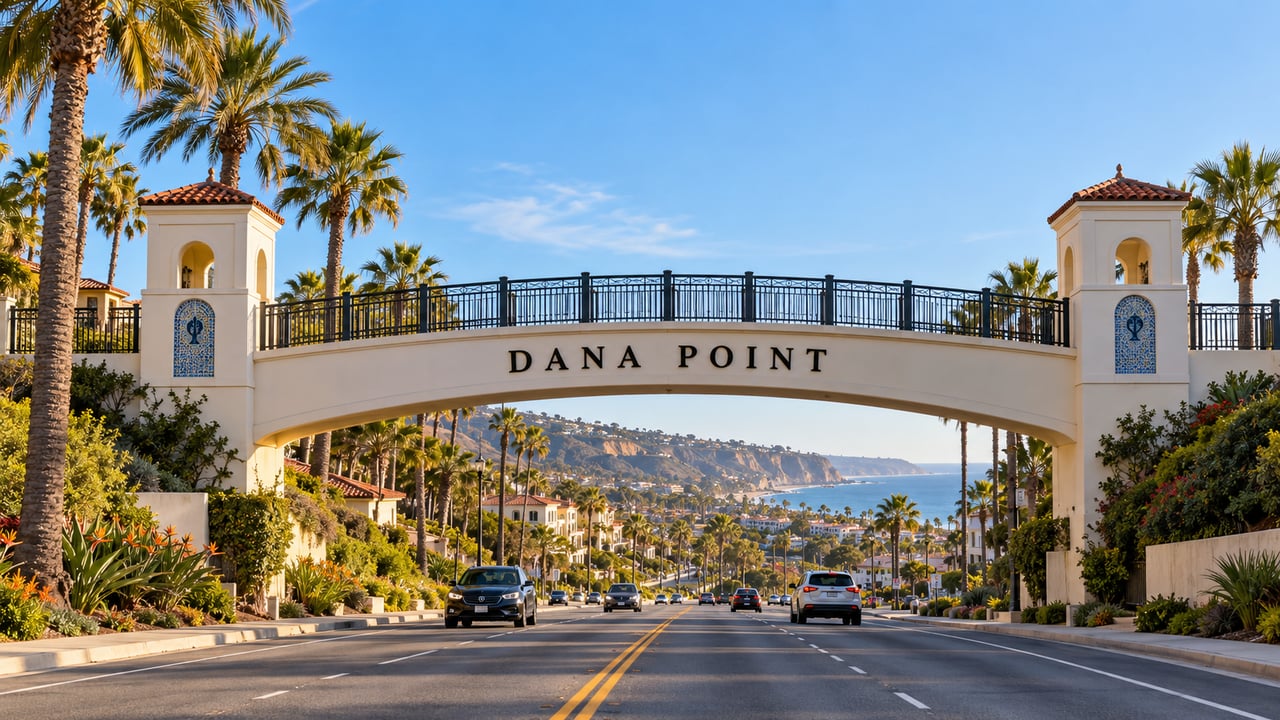
Which is the better buy for South County coastal buyers: Dana Point or San Clemente?
Both cities deliver the coastal Orange County lifestyle buyers are searching for, but they differ in median price, housing stock, neighborhood character, and what it takes to win an offer. Recent local market data shows Dana Point's median sale price at $1,911,000 versus San Clemente's $1,750,000, with both cities sitting at a median of 51 days on market. The right choice depends on your budget ceiling, how much space matters to you, and how aggressively you're willing to compete.
Key Takeaways
- Dana Point's median sale price is $1,911,000 and San Clemente's is $1,750,000, a gap of roughly $161,000, based on recent local market data trailing approximately 90 days as of September 2026.
- Both cities sit at a median of 51 days on market, but competition varies sharply by neighborhood and property type within each city.
- Dana Point's housing stock is roughly 65% single-family detached, with a meaningful condo and townhome segment near the harbor, making it the more practical entry point for buyers who want coastal proximity over square footage.
- San Clemente's larger and more varied housing base, from older beach cottages to newer master-planned communities like Talega, gives buyers more room to trade ocean proximity for size at a given price point.
- About 23–24% of San Clemente listings experienced price drops in the May 2026 window, according to Housing.Link, which means active price discovery is happening even in a competitive environment.
How do Dana Point and San Clemente compare on price and market pace?
The $161,000 median price gap is real, but it doesn't mean San Clemente is simply the cheaper option. It means the two cities attract different price tiers within the same coastal bracket, and the mix of what's selling drives that difference.
Here's the side-by-side view across the South County markets I cover:
Area | Median Sale Price | Median Days on Market |
|---|---|---|
Dana Point | $1,911,000 | 51 |
Laguna Beach | $3,350,000 | 43 |
Laguna Hills | $1,335,000 | 50 |
San Juan Capistrano | $1,300,000 | 42 |
San Clemente | $1,750,000 | 51 |
What stands out to me when I look at this table with a buyer in front of me: Dana Point and San Clemente are the two cities that buyers actually cross-shop most often, and they're priced closer together than people expect. The difference isn't "affordable vs. expensive", it's about what you get for the money.
Dana Point skews toward harbor-adjacent and bluff-top inventory. A lot of what's selling in that $1.9M median range is single-family detached with ocean views, proximity to the harbor, or both. According to MMCG Analytics, roughly 65% of Dana Point's housing stock is single-family detached, with the remainder in multi-unit buildings, a meaningful condo and townhome segment that tends to cluster near the harbor and along Golden Lantern and PCH.
San Clemente's median sits lower partly because its housing base is broader. You have older beach cottages, mid-century tracts, and newer master-planned communities like Talega and Forster Ranch all in the same city. That spread gives buyers more options at different price points, but it also means you need to be specific about which part of San Clemente you're targeting, because the market behaves differently across those neighborhoods.
What the days-on-market number actually tells you
Both cities average 51 days on market, but that headline number can be misleading. I walk my clients through this distinction every time: the median DOM is an average across all property types and all neighborhoods. Within that average, there are listings that go under contract in under two weeks and listings that sit for four months.
In San Clemente, the most competitive pockets, particularly Southwest San Clemente and well-priced coastal single-family homes, can move fast. At the same time, Housing.Link's San Clemente market update from May 2026 showed roughly 23–24% of listings experiencing price drops, which tells me active price discovery is happening. Some sellers are testing the market high; the listings that are priced right are the ones attracting offers quickly.
In Dana Point, I see a similar pattern. Harbor-view properties, newly renovated coastal homes, and anything in Monarch Beach or Niguel Shores can still attract multiple offers. But Dana Point also has a longer tail of listings, older inventory or properties with pricing that doesn't match current comps, where a buyer has genuine room to negotiate on price or terms. That's actually an opportunity if you know where to look.
Your specific offer strategy depends entirely on which micro-market you're targeting. That's where running the actual closed comps by neighborhood and property type over the last 60–90 days makes all the difference.
How do the lifestyle and housing stock differences affect your budget?
This is where the comparison gets practical. I tell buyers who are cross-shopping these two cities to think about it as a trade-off: proximity vs. square footage.
Dana Point: harbor access, resort adjacency, boutique feel
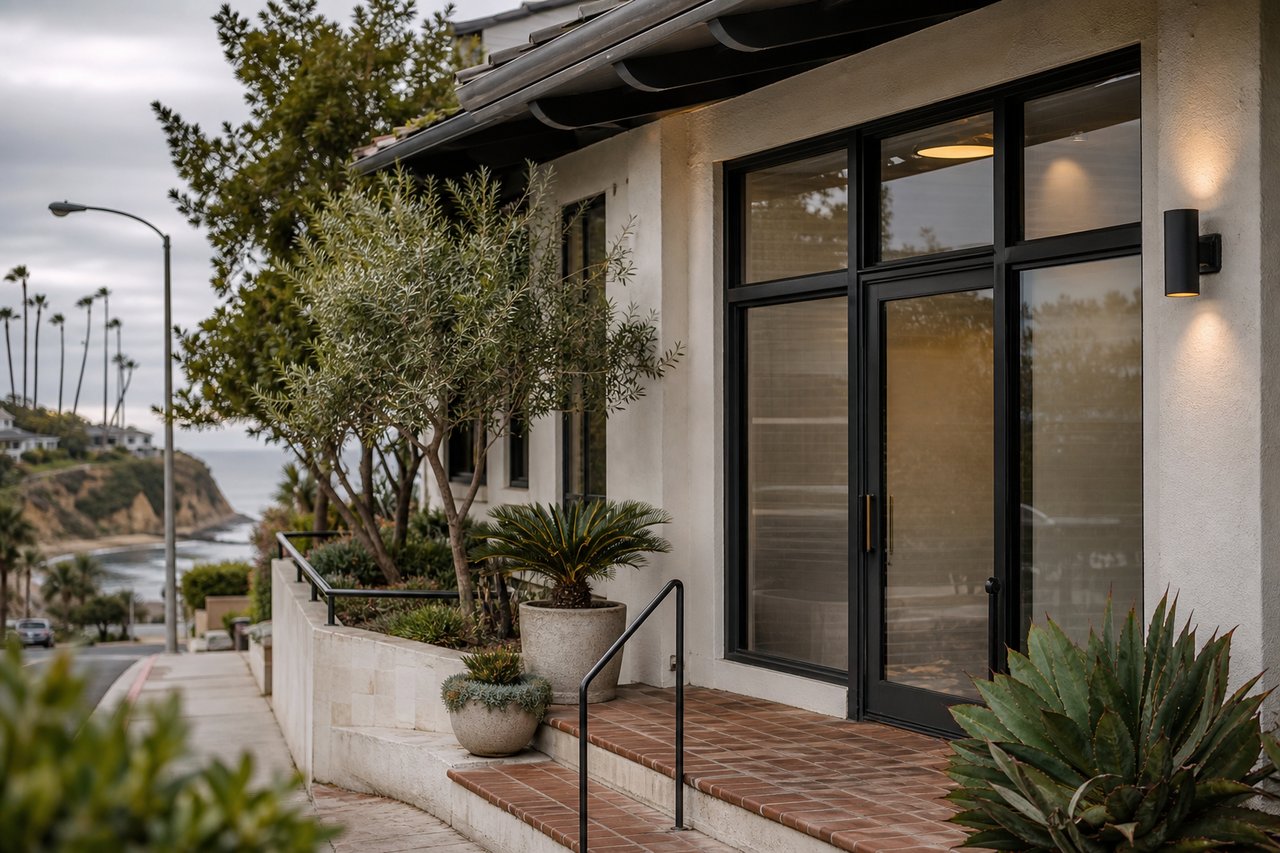
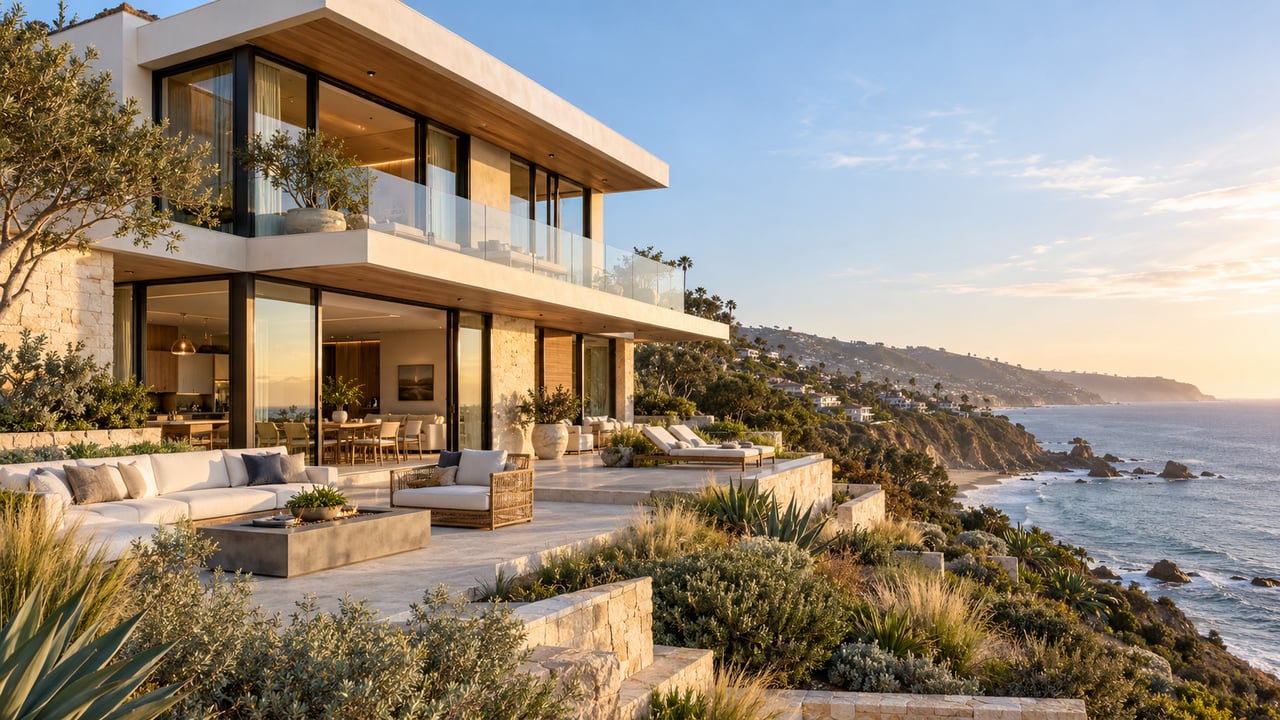
Dana Point's identity is anchored by its harbor. The ongoing Dana Point Harbor revitalization has added to the appeal for buyers who want marina access, waterfront dining, and a walkable coastal core. Communities like the Lantern District, Capistrano Beach, and Monarch Beach sit close to the water, and the bluff-top neighborhoods offer views that are hard to replicate anywhere else in South County.
The trade-off is that you're often buying less square footage for the price. A $1.9M budget in Dana Point might get you a well-positioned single-family home with harbor proximity, or a larger home slightly inland. It's not going to get you a sprawling newer-construction property with a big yard. For buyers who want to explore the full range of Dana Point waterfront homes, the inventory is genuinely special, but it comes at a premium per square foot.
The U.S. Census Bureau QuickFacts for Dana Point show an owner-occupancy rate in the low-60% range, which is consistent with a stable ownership market, not a transient rental community. The buyers I work with here tend to have significant purchasing power, often moving within South County or bringing equity from a prior home. MMCG Analytics puts median household income in Dana Point around $140,000–$142,000, which confirms that coastal ownership here requires either high income, substantial equity, or both.
San Clemente: surf-town character, more size per dollar, master-planned options
San Clemente has a stronger surf-town identity, Del Mar Street, the pier, the beach trail, and a community built around that culture. It also has a much larger and more varied housing base than Dana Point, which is the key budget advantage.
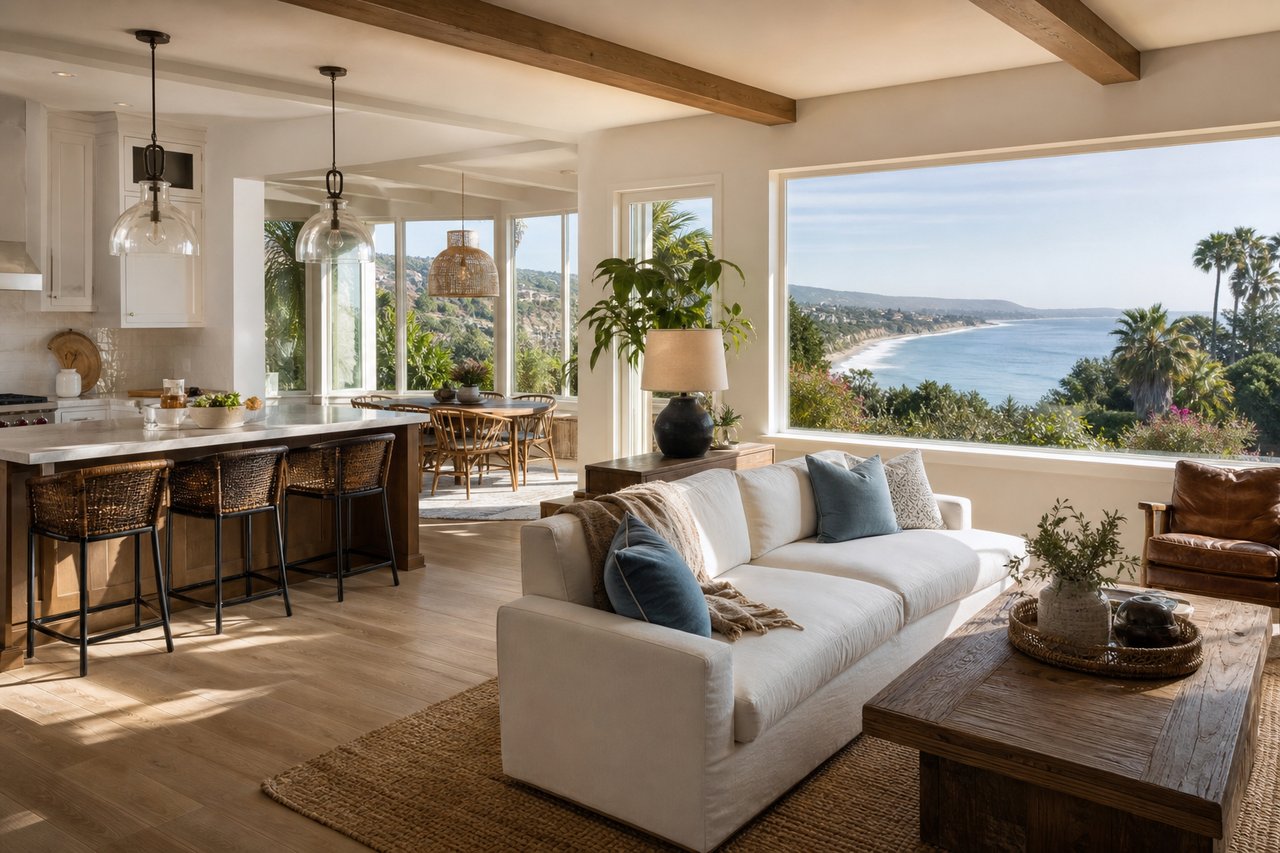
At the same $1.75M–$1.9M price point, a buyer in San Clemente can often find more square footage, a larger lot, or newer construction, especially in the inland master-planned communities. Talega, for example, offers newer homes with HOA amenities and trail systems, and it's a short drive to the beach. Buyers who are relocating from North County, inland OC, or LA often land here because they can get a larger home while still living in a coastal city.
The flip side: if your priority is walkable beach access and you want to be close to the water every day, some of San Clemente's more attainable inventory puts you further from the coast than a comparable Dana Point property would. The city is larger geographically, and the inland-to-coastal spread matters more there than it does in Dana Point.
According to the City of Dana Point's Housing Element and broader regional profiles, both cities are established coastal municipalities with strong ownership cultures and beach-oriented lifestyles, the distinction is really in character and housing type, not in whether they qualify as genuine coastal markets.
Entry-level coastal product: where each city fits
For buyers with a strict budget ceiling, the entry coastal product looks different in each city. In Dana Point, condos and townhomes near the harbor, many with HOAs and view premiums, represent the way into the market at a lower price point than single-family detached. In San Clemente, the entry detached single-family option tends to be in the inland tracts, where you trade beach proximity for more space and sometimes newer construction.
Neither is a wrong answer. It depends on what you're optimizing for. That's exactly the kind of conversation I have with every buyer before we start writing offers, because the answer shapes not just which city, but which neighborhoods and which property types we focus on.
If you want to see how Rhonda's clients have experienced this decision firsthand, read her reviews on Zillow.
Frequently Asked Questions
Is Dana Point or San Clemente more affordable for a coastal single-family home?
San Clemente's median sale price of $1,750,000 is lower than Dana Point's $1,911,000 based on recent local market data, making it the more attainable entry point for coastal single-family homes on a pure price basis. That said, Dana Point's condo and townhome segment near the harbor can offer a lower absolute price than a San Clemente single-family home, so the answer depends on what property type you're targeting and how close to the water you want to be.
Do homes sell faster in San Clemente or Dana Point, and how does that change my offer strategy?
Both cities are currently sitting at a median of 51 days on market, so neither city is dramatically faster than the other at the aggregate level. The more important factor is which neighborhood and property type you're targeting: well-priced coastal single-family homes in competitive San Clemente pockets can go under contract quickly and may require clean terms and tight contingency timelines, while certain Dana Point listings with longer days on market can offer more room to negotiate on price or conditions. A local agent running current closed comps by micro-market will give you a much clearer read than city-level averages alone.
If I want walkable beach access and a quieter feel, which city fits better?
Dana Point tends to feel more boutique and resort-adjacent, with the harbor as its focal point and bluff-top neighborhoods that offer a quieter, less foot-traffic-heavy environment than a traditional beach-town strip. San Clemente has a more active surf-town energy centered on Del Mar Street and the pier, which some buyers love and others find busier than they want. For buyers who prioritize walkable harbor and coastal trail access in a lower-key setting, Dana Point is usually the better fit, though the right answer depends on the specific neighborhoods you're considering in each city.
How do HOA communities and condo options compare between the two cities for buyers with tighter budgets?
Dana Point has a meaningful condo and townhome segment concentrated near the harbor and along Golden Lantern and PCH, many of which carry HOAs and view premiums, these function as the practical entry coastal product in Dana Point. San Clemente's HOA communities tend to be larger master-planned developments like Talega, which offer newer construction and community amenities but sit further inland. A buyer with a strict ceiling who wants to be close to the water will generally find more options in Dana Point's harbor-adjacent condo inventory, while a buyer who wants more space and newer construction at a similar price will find more in San Clemente's inland HOA tracts.
For long-term value, which tends to hold better: Dana Point or San Clemente coastal neighborhoods?
Both cities have demonstrated strong long-term value as established coastal municipalities in southern Orange County, and both sit well above the $1M median threshold that characterizes durable coastal markets in California. Dana Point's harbor-adjacent and bluff-top inventory benefits from scarcity, there's a finite amount of it, while San Clemente's larger and more varied housing base offers more options but also more variability across neighborhoods. The best long-term hold in either city is a well-located property priced accurately to current comps; I'd rather help a buyer identify that specific opportunity than generalize about which city "wins" on appreciation.
The bottom line for South County buyers
Dana Point and San Clemente are genuinely distinct markets that happen to sit within a few miles of each other. The $161,000 median price gap, the housing stock differences, and the neighborhood character all point to a real decision, not just a geographic preference. Getting that decision right means running the actual numbers by property type and neighborhood, not just comparing city-level medians.
I've helped buyers work through exactly this comparison many times, and the right answer is almost always more specific than "Dana Point or San Clemente." It's about which street, which product type, and what your offer needs to look like to win. If you're ready to work through that with someone who knows both markets, schedule a consultation and let's map it out together.
Equal Housing Opportunity. Coldwell Banker Residential | CA DRE# 00616212. California Department of Real Estate (DRE) license CA DRE# 01814437. Affiliated real estate agents are independent contractor sales associates, not employees. This article is general information only and is not legal, tax, or financial advice, confirm your own numbers with your closing agent, tax advisor, or lender.